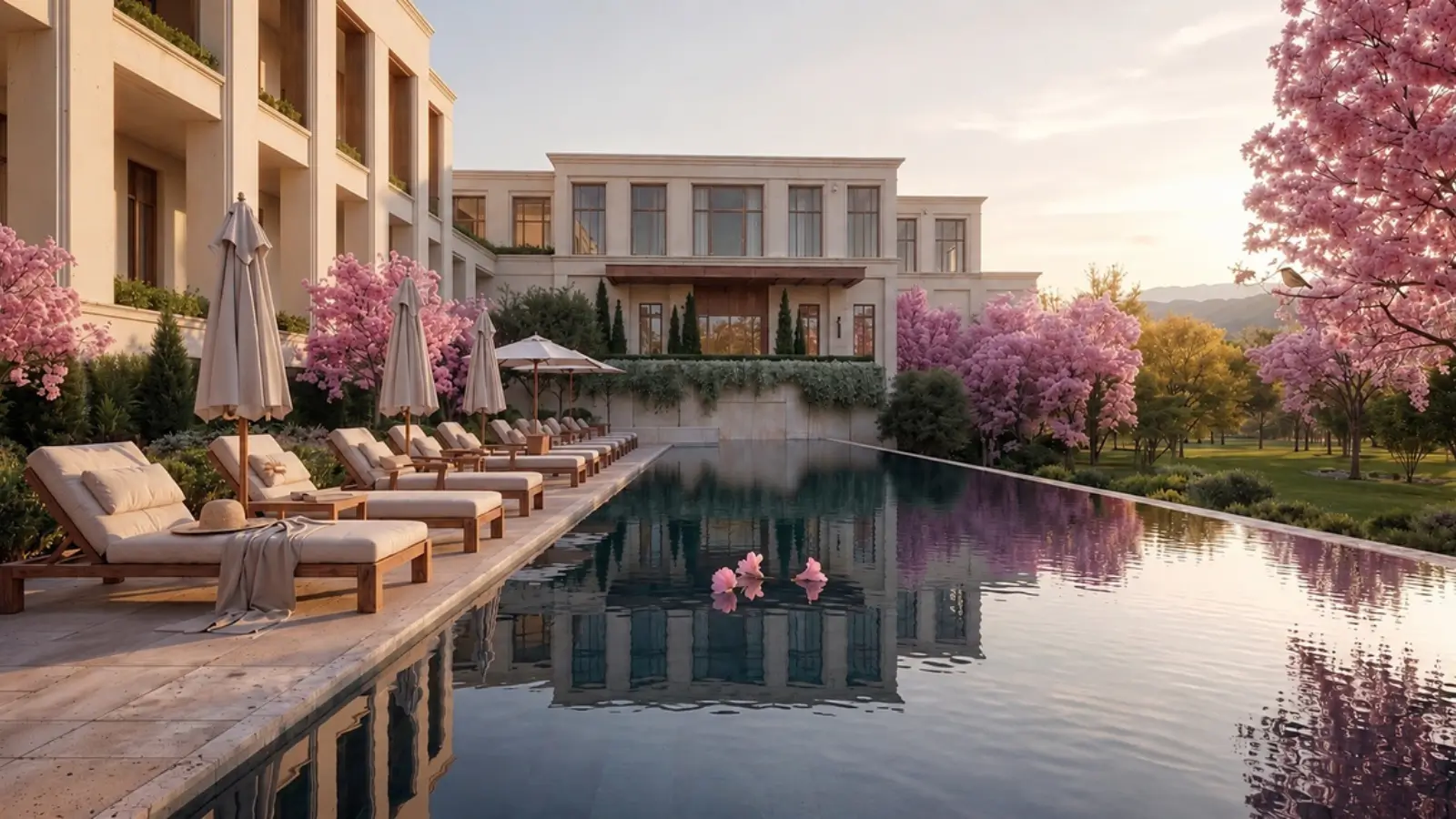
Investigating current high-end residential real estate spaces clearly illustrates how modern property investors prioritize layout excellence. Across major infrastructure corridors in developing metropolitan zones, aligning with Tier-1 builders who offer complete statutory compliance and integrated amenities forms the basis of calculated real estate investing. #link# acts as a practical benchmark for reviewing premium construction quality and structural value metrics. To systematically analyze modern high-density vs low-density layouts, one must examine macro regional developments, localized structural blueprints, and underlying financial projections with extreme detail.
Investigating Micro-Market Connectivity and Tech-Hub Commute Paths
The seamless creation of multi-lane signal-free expressways, triggers immediate real estate demand from high-net-worth individuals and corporate entities. Infrastructure engineering trends conclusively demonstrate that proximity to active tech hubs directly determines the velocity of premium residential sales over a multi-year period. When an integrated township is built immediately adjacent to expanding aerospace special economic zones, the long-term capital appreciation trajectory becomes remarkably insulated from temporary localized supply spikes. In tandem with this, the rapid development of specialized commercial complexes, multi-specialty healthcare institutions, and elite international schools fuels an active purchasing cycle for premium 3 BHK, 3.5 BHK, and 4 BHK luxury residences. Understanding these localized growth parameters helps buyers identify under-priced assets prior to formal public launches.
Deconstructing Modern High-Rise Structural Integrity Paradigms
The long-term maintenance overhead of contemporary residential towers depends heavily on transitioning away from conventional brick masonry toward advanced structural casting. Utilizing monolithic concrete pouring techniques instead of traditional clay block wall assemblies minimizes future structural degradation while noticeably enhancing internal thermal insulation performance. Complementing these robust external engineering methodologies, the interior specifications of truly luxury homes frequently feature large slabs of fine imported Italian marble flooring, bespoke premium bathroom fittings, and expansive cross-ventilated balconies. Simultaneously, the overarching master plan philosophy is shifting decisively toward ultra-low-density configurations. By dedicating over 65 to 85 percent of the total available acreage to landscaped gardens and biophilic reserves, the developer creates a rare, elite living environment that preserves long-term community exclusivity. These detailed structural parameters clearly separate authentic luxury real estate from standard mass-market developments.
Navigating Statutory Approvals, Land Documentations, and Risk Mitigation Checklists
From a calculated real estate investment viewpoint, entering a premium micro-market allocating substantial capital into premium residential real estate presents highly predictable growth vectors. Entering a tier-1 development phase before the public distribution of marketing brochures optimizes the overall return on investment by reducing immediate cash-flow outlays during early engineering stages. Concurrently, projected property rental yields within these rapidly expanding commercial and industrial zones provides long-term stability due to multi-year corporate lease agreements and high tenant retention rates. To completely eliminate construction and execution risks, the selection checklist must prioritize statutory verification. Validating the builder's historical track record regarding timely project delivery, structural execution precision, and legal transparency protects the individual home buyer by binding the developer to legally enforceable completion timelines and specifications.
Analyzing the Tangible Value of Integrated Social Infrastructure and Hospitality
High-net-worth property buyers are actively seeking fully self-sustained residential ecosystems that optimize lifestyle efficiency. Incorporating fully automated household environmental controls and digital security networks, ensures complete modern living comfort, adapting smoothly to the evolving tech requirements of remote professionals. This physical design transition is heavily backed by the development of massive multi-level lifestyle clubhouses. Integrating advanced co-working business lounges, private mini-theaters, and multi-cuisine restaurant facilities, these spaces cater perfectly to multi-generational requirements while fostering authentic neighborhood connections. Moreover, the inclusion of essential social infrastructure directly within the gated boundary lines guarantees that the entire township remains completely sustainable and eco-friendly for decades to come.
Strategic Conclusion for Astute Long-Term Property Acquisition
To conclude, executing a highly Lodha Sadahalli EOI booking successful real estate acquisition strategy requires looking closely at three core factors: micro-market commercial development timelines, RERA statutory clearances, and structural layout efficiency metrics. By systematically analyzing detailed cost breakdowns, validating historical handover records, and reviewing comparative market evaluations against competing options, investors can completely eliminate downside market risks while locking in maximum capital gains. As strategic real estate zones approach their structural maturity over the coming years, early buyers who locked in initial entry pricing will enjoy exceptional capital leverage and rent premiums.